Whole Grain vs White Flour: A Side-by-Side Comparison for Artisan Loaves
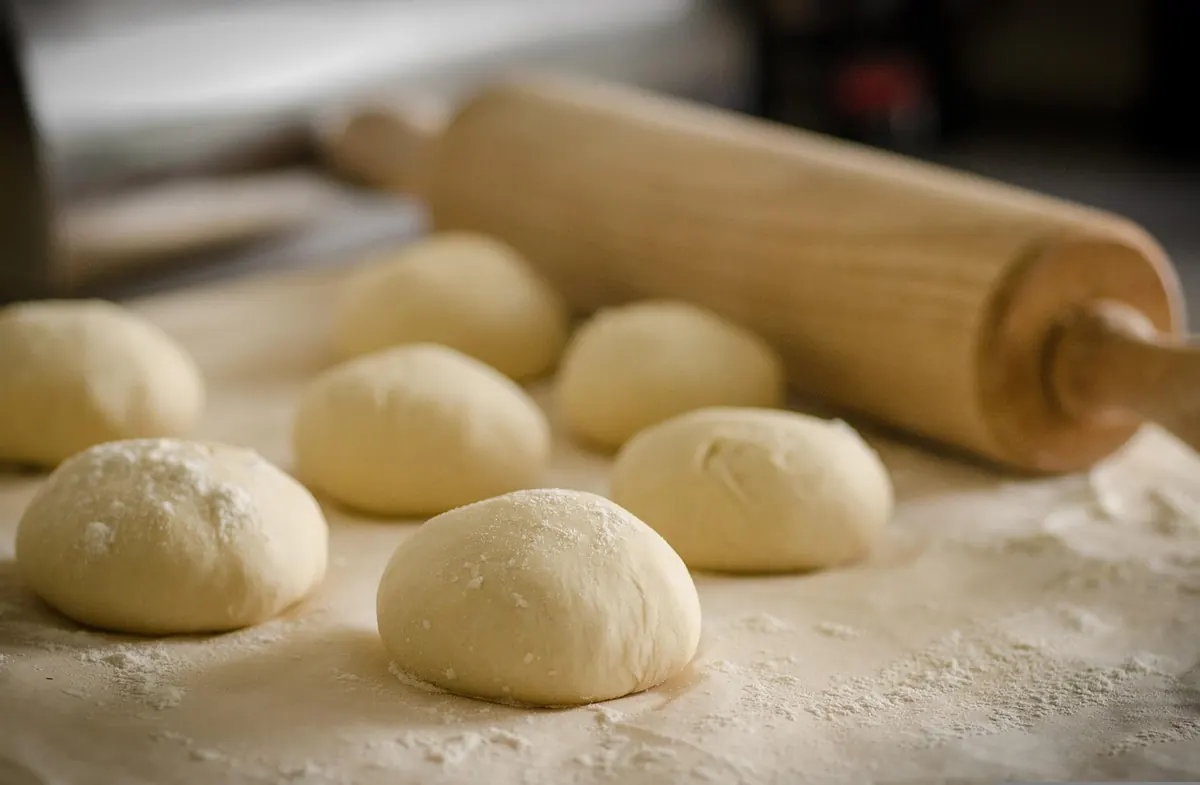
Two doughs sit side by side on the bench. Same starter, same salt, same pair of hands. One is built on stone-ground whole wheat, the other on a strong white bread flour, and within an hour they have already stopped behaving alike. The whole grain dough feels rougher, drinks more water, and starts to swell sooner. By the time both loaves come out of the oven they are cousins at best: one dark and wheaty with a tight, moist crumb, the other pale and open with a thin, crackling crust.
Neither is the better loaf. They are different instruments, and most baking trouble starts when someone plays one while expecting the other. What follows is a practical comparison of the four things that matter most at the bench: flavor, hydration, fermentation speed and crumb.
Flavor: Bran Speaks Loudly, White Flour Listens
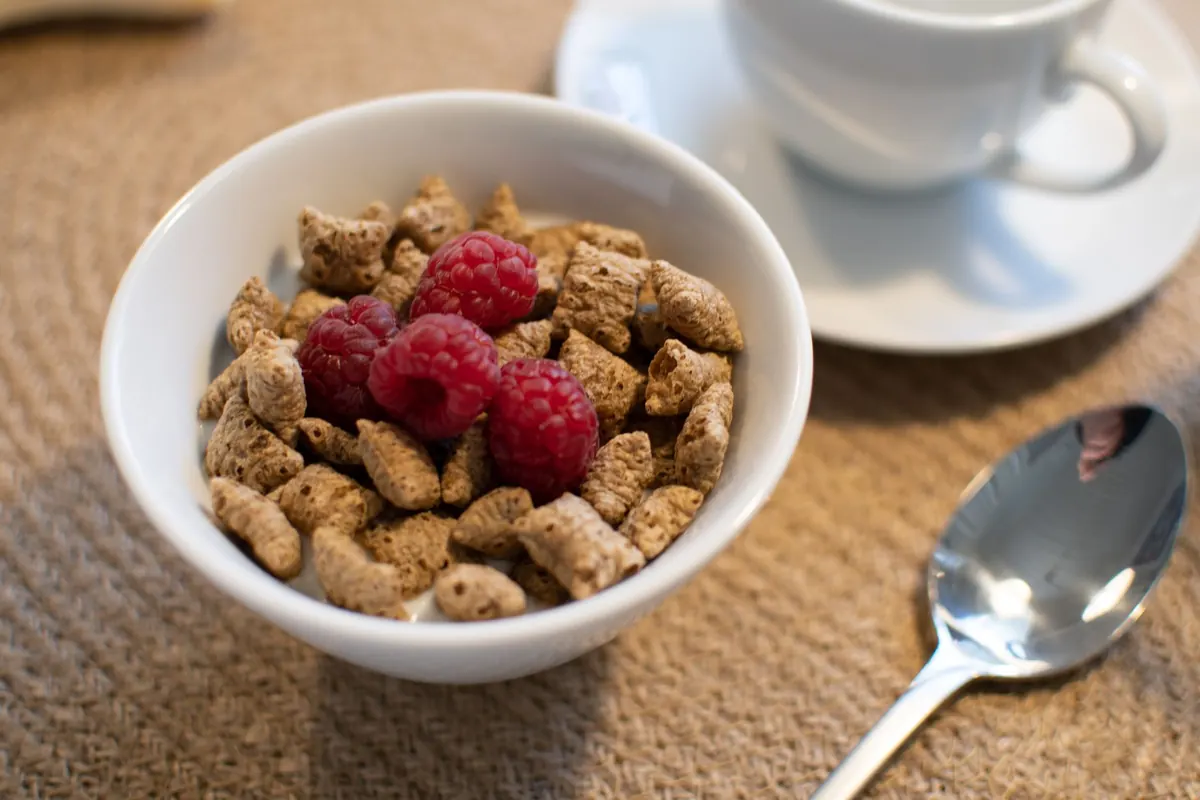
Whole grain flour carries the bran and the germ, and both of them taste of something. You get toasted wheat, a faint nuttiness, sometimes a green or slightly bitter edge from the bran. In a sourdough that bitterness is welcome — acidity and bran balance each other like salt and fat. In a sweet dough it can be unwelcome, which is why bakers rarely push whole grain past a third in enriched formulas.
White flour is quieter. Its flavor is sweet and milky, which means the subtle things in a long fermentation — the yogurt note of a young levain, the creaminess of a cold retard — actually reach the palate. A country loaf made with good white flour and a 16-hour cold proof can taste of hazelnut and butter without a single added ingredient. Whole grain arrives with a paragraph already written; white flour hands you a blank page.
One practical warning: whole grain flour ages faster. The germ's oils oxidize, and old whole wheat smells faintly of paint or soap. Buy it in smaller quantities, keep it cool and sealed, and smell it before you bake. If it is off, no amount of technique will hide it.
Hydration: The Bran Tax
Bran absorbs water and holds on to it. A dough at 75% hydration with white flour feels supple; the same dough with a quarter of its flour replaced by whole wheat feels like clay. The usual correction is somewhere between 5% and 8% extra water for every 20–25% whole grain in the formula, but treat that as a starting point rather than a rule. Flour milled this week and flour from a bag opened last month behave differently.
Add water in two stages. Mix to a shaggy consistency, rest twenty minutes, then add the remaining water once the bran has had time to drink. Whole grain dough often feels stiff at first and sticky an hour later, which confuses bakers who judge hydration by touch at the mixer.
Autolyse helps both flours, but for different reasons and for different lengths of time. White flour tolerates an hour or more happily. Whole grain benefits from a shorter rest — twenty to forty minutes is usually enough — because the bran carries enzymes that slowly weaken the gluten if left too long in a wet mix.
Fermentation: Whole Grain Runs Hot
Whole grain ferments faster. The bran and germ bring minerals and enzymes and a broader food supply for yeast and bacteria, so the same starter at the same temperature will move through bulk noticeably quicker in a whole grain dough. If you change nothing else, expect your dough to be ready sooner and to punish you if you wait.
Three levers keep it in check:
- Cooler water. Drop the dough temperature by two or three degrees and the whole schedule relaxes.
- Less starter. Reducing the levain by around a fifth often brings a whole grain dough back to the timing of your familiar white loaf.
- Shorter bulk, longer proof. Move the dough along faster in the bowl and let the cold retard do the finishing work, where the margin for error is wider.
The failure mode is specific. An overproofed white dough goes slack; an overproofed whole grain dough goes soupy, because the bran's enzymes keep working on the gluten long after the yeast has done its job. Watch the dough, not the clock.
Crumb Structure: Open Windows or Even Rooms
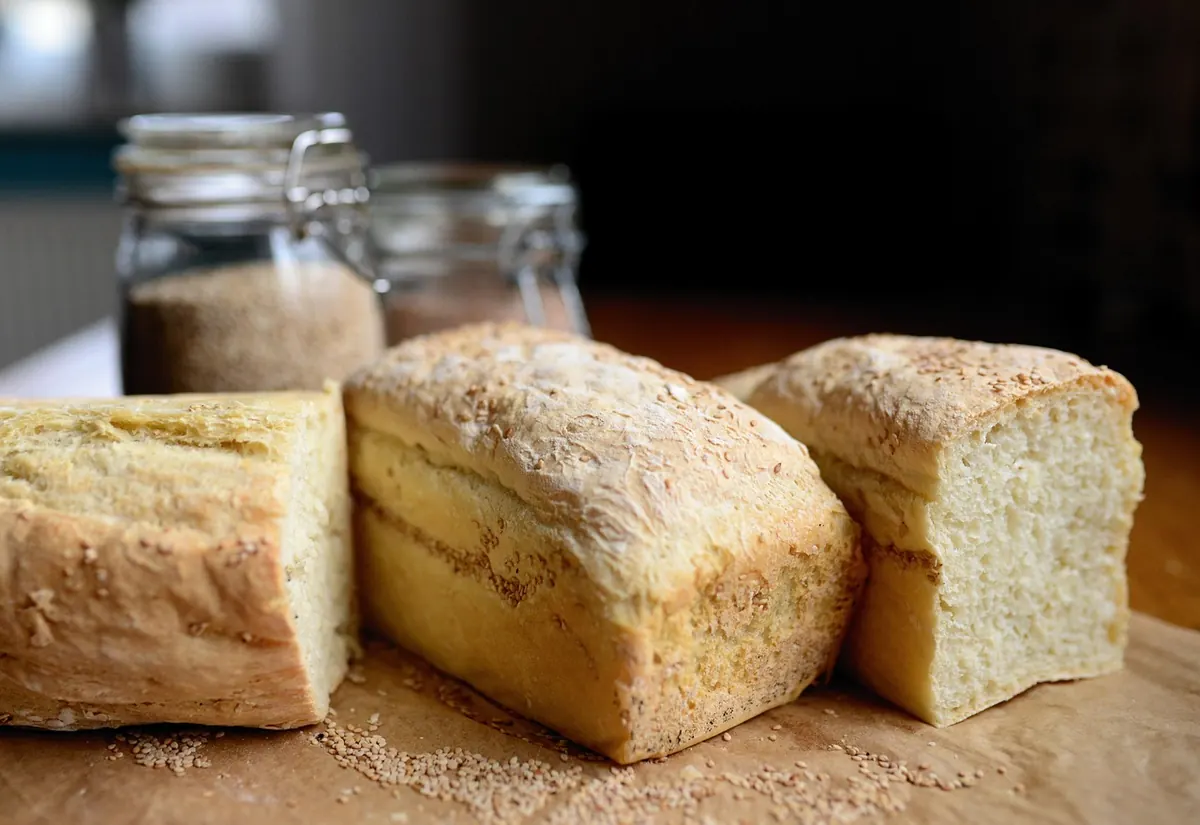
White flour, well developed and gently handled, gives you the classic artisan crumb: irregular, thin-walled holes, a glossy interior, a crust that crackles as it cools. Those big open voids come from strong gluten sheets stretching without tearing, which is why white dough rewards slap-and-fold and a confident shape.
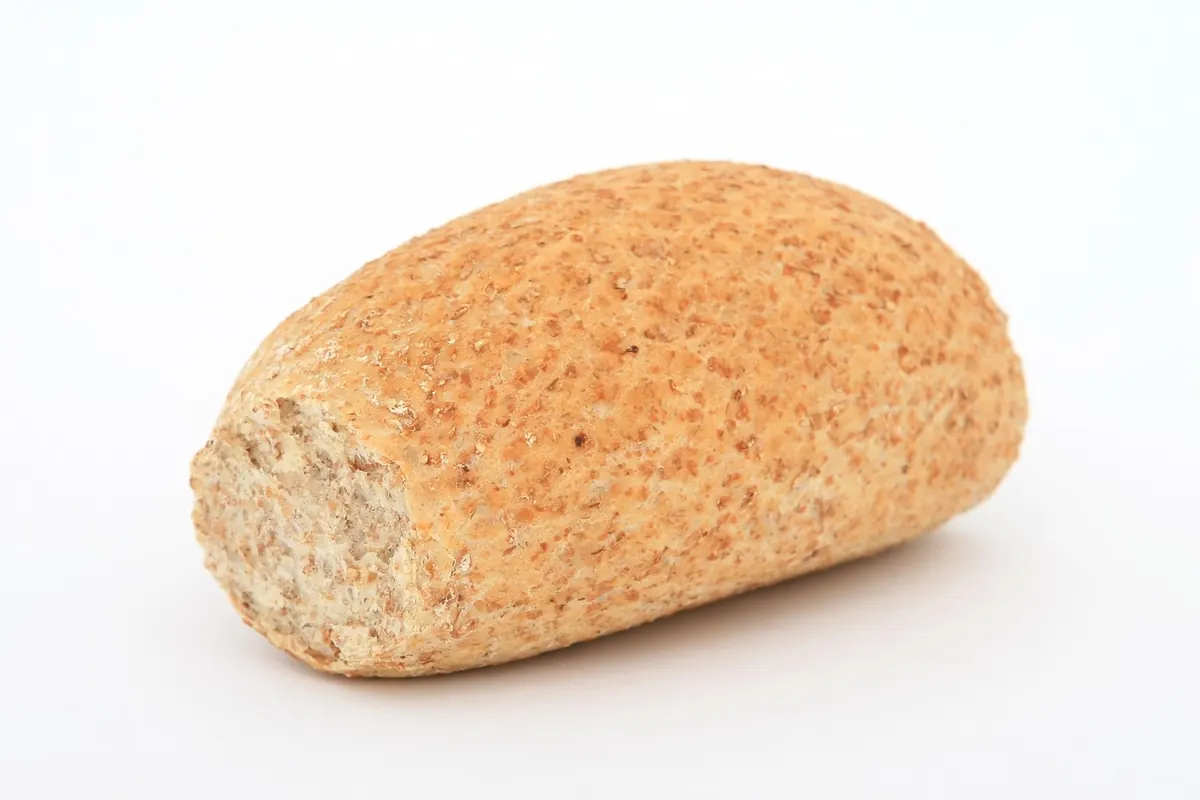
Whole grain gives you something else. Bran flakes are sharp; they slice through gluten strands as the dough expands, so gas bubbles stay small and numerous. The result is an even, tighter crumb, noticeably more moist and a little heavier in the hand. That is not a fault, it is the nature of the flour — but it does ask for more tension at shaping and a gentler touch.
A whole grain loaf that looks done at the same shade as a white one is usually underbaked in the middle.
Bake darker and longer. The crumb of a whole grain loaf stays gummy if you pull it at the moment a white loaf would be finished. Give it another five to ten minutes, and let it cool completely before slicing; whole grain needs the full cooling time to set.
The Blend: Where Most Bakers Actually Land
Few of us choose a side. The useful middle ground is a blend, and the percentages tell you what to expect. Around 10–20% whole grain gives color, aroma and a little extra flavor without changing your process much. Thirty to forty percent brings real whole-grain character and demands water and handling adjustments. Past 50%, you are baking a different bread and should expect to rewrite the formula.
When you move up a step, change these things together:
- Add water gradually, roughly 3% for every 10% of whole grain you introduce.
- Shorten the bulk ferment and check the dough earlier than feels natural.
- Mix a little more gently and for less time; the bran is already doing damage.
- Sift coarse bran out, toast it, and soak it before folding it back in — a trick that softens its edges and deepens the flavor.
- Bake at the same temperature but for longer, and trust color over the timer.
One Bake, One Change
Take the white loaf you already know well. Swap 20% of the flour for whole wheat, add about 4% more water, cut the bulk ferment short by fifteen minutes and bake five minutes longer. Write down what happened while the loaf is still warm and your memory is intact: how the dough felt at shaping, how long it took to proof, how the crumb looked when you cut it.
Next bake, change one thing. Maybe you push the whole grain to 30%, maybe you sift the bran, maybe you drop the starter slightly. Two or three rounds of this will teach you more about the difference between the two flours than any formula copied from a book, because you will be tasting the change rather than reading about it. Keep both flours in the cupboard. The best loaf is usually the one where they meet.
Photo: Shutterbug26 / Pixabay